 pankajgaururologist@gmail.com



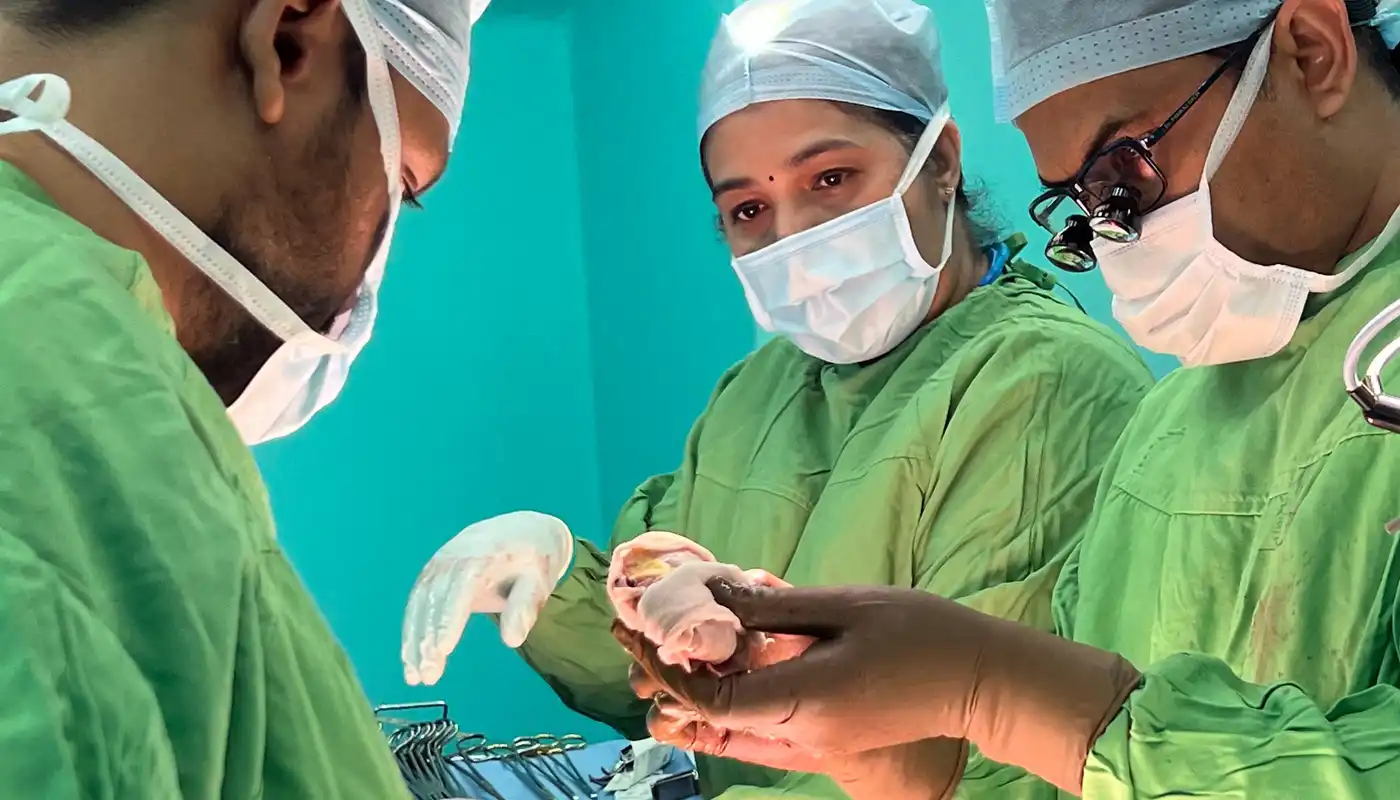
Kidney transplant is a surgery where a new kidney is implanted in the patient when his/her own kidneys fail to work. There are two types of kidney transplants based on type of donor—live related donor transplant when a live person donates kidney and cadaveric donor transplant when organs are harvested from a brain dead or sometimes deceased donor. Every human being have 2 kidneys located in retroperitoneal area of upper abdomen and are 12×6 cm bean shaped organs.
The kidneys have many important physiological functions including—removal of waste/toxic substances from body, maintaining water and electrolyte balance are major functions along with others like blood pressure regulation and maintenance of bone health.
In patients of end stage renal disease kidneys fail to perform their physiological functions leading to accumulation of various toxic substances, water overloading, electrolyte imbalance, hypertension and other metabolic derangements. It manifests in lethargy, weakness, breathlessness and other organ dysfunction. Human beings have lot of reserve renal function implying that one kidney is capable of maintaining normal life, making it possible for healthy volunteers to donate one kidney.
Kidney transplantation includes two surgeries –donor nephrectomy and kidney implantation in recipient. Donor nephrectomy can be done by open or laparoscopic method, we do almost always laparoscopic donor nephrectomy providing maximum benefits (of minimal invasive surgery and non-muscle cutting incision) to our patients. By our method donors have small 6-8 cm below bikini line kidney retrieval scar.
We do recipient surgery by robotic assisted and open methods, robotic assisted method leads to early mobilization, fast post op recovery, less pain and small cosmetic scar. Humans have two kidneys, one on each side of the upper abdominal region of the body.
The right kidney is located slightly lower than the left one so that there is space to accommodate the liver, which is situated immediately above the right kidney. They are each around 5 inches in length and approximately the size of a big fist. In addition to removing wastes and excess fluid from the body, kidneys also control the metabolism of electrolytes in the body, such as calcium, potassium, sodium, and more. It regulates blood pressure by producing hormones that maintain the pressure. Although humans have two kidneys, the body is capable of surviving with only one functioning kidney.
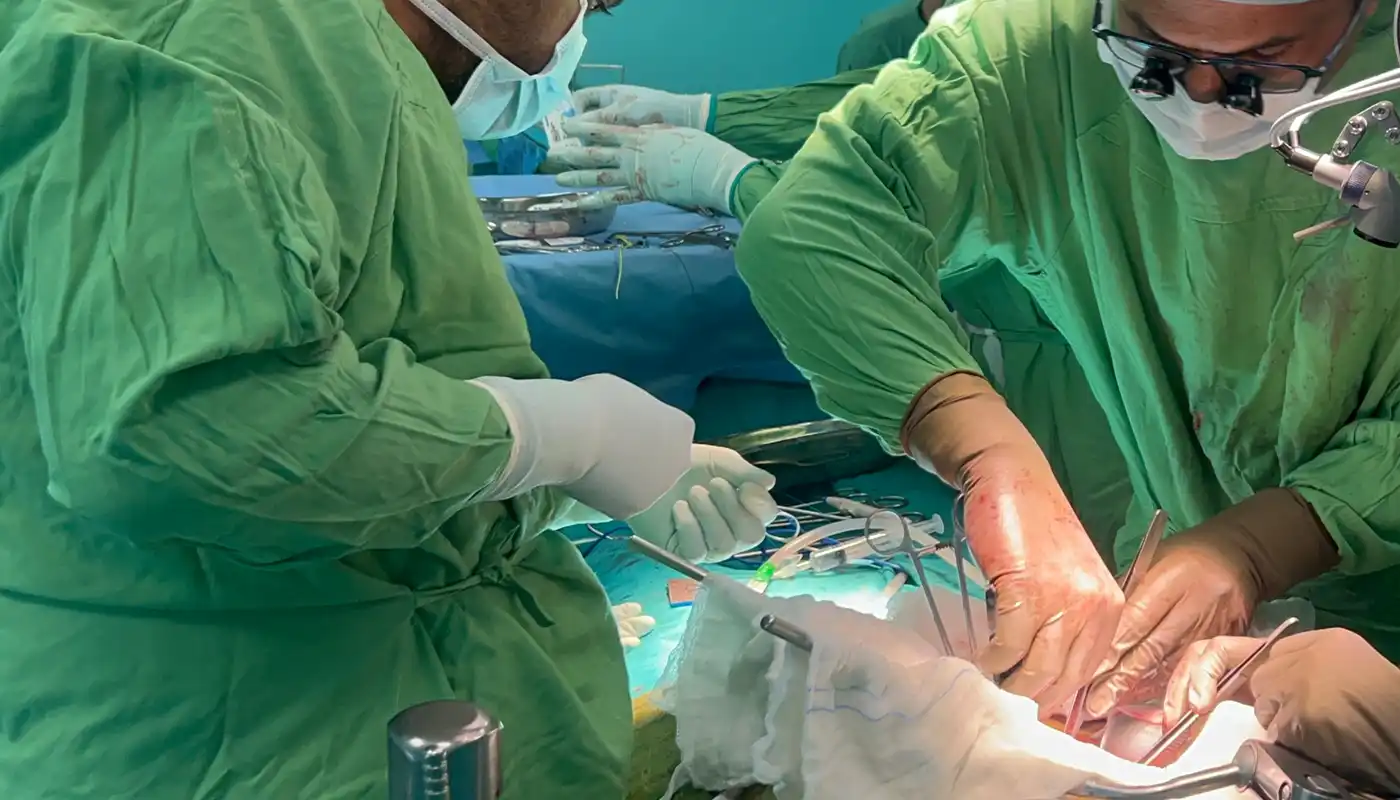
The kidneys have many important physiological functions including removal of waste/toxic substances from body, maintaining water and electrolyte balance are major functions along with others like blood pressure regulation and maintenance of bone health.
In patients of end stage renal disease kidneys fail to perform their physiological functions leading to accumulation of various toxic substances, water overloading, electrolyte imbalance, hypertension and other metabolic derangements. It manifests in lethargy, weakness, breathlessness and other organ dysfunction.
Human beings have lot of reserve renal function implying that one kidney is capable of maintaining normal life, making it possible for healthy volunteers to donate one kidney.Kidney transplantation involves two surgeries — donor nephrectomy (kidney removal from donor) and kidney implantation in the recipient. Donor nephrectomy can be performed by open or laparoscopic surgery, though we mostly use laparoscopic techniques for faster recovery, less pain, and a small 6–8 cm scar below the bikini line. Recipient surgery can be done by robotic-assisted or open methods.
Robotic-assisted surgery offers benefits like early recovery, less pain, faster mobilization, and smaller cosmetic scars. Humans have two kidneys located on either side of the upper abdomen, with the right kidney slightly lower due to the liver. Kidneys remove waste and excess fluid, maintain electrolyte balance, and help regulate blood pressure through hormone production. Since one healthy kidney is enough for normal life, a person can survive with only one functioning kidney.

 Robotic Surgery
Uro-oncology
Reconstructive And Urethral Urology
Endo-Urology
Paediatric Urology
Robotic Surgery
Uro-oncology
Reconstructive And Urethral Urology
Endo-Urology
Paediatric Urology

Kidney transplant is a surgery where a new kidney is implanted in the patient when his/her own kidneys fail to work. There are two types of kidney transplants based on type of donor—live related donor transplant when a live person donates kidney and cadaveric donor transplant when organs are harvested from a brain dead or sometimes deceased donor. Every human being have 2 kidneys located in retroperitoneal area of upper abdomen and are 12×6 cm bean shaped organs.
The kidneys have many important physiological functions including—removal of waste/toxic substances from body, maintaining water and electrolyte balance are major functions along with others like blood pressure regulation and maintenance of bone health.
In patients of end stage renal disease kidneys fail to perform their physiological functions leading to accumulation of various toxic substances, water overloading, electrolyte imbalance, hypertension and other metabolic derangements. It manifests in lethargy, weakness, breathlessness and other organ dysfunction. Human beings have lot of reserve renal function implying that one kidney is capable of maintaining normal life, making it possible for healthy volunteers to donate one kidney.
Kidney transplantation includes two surgeries –donor nephrectomy and kidney implantation in recipient. Donor nephrectomy can be done by open or laparoscopic method, we do almost always laparoscopic donor nephrectomy providing maximum benefits (of minimal invasive surgery and non-muscle cutting incision) to our patients. By our method donors have small 6-8 cm below bikini line kidney retrieval scar.
We do recipient surgery by robotic assisted and open methods, robotic assisted method leads to early mobilization, fast post op recovery, less pain and small cosmetic scar. Humans have two kidneys, one on each side of the upper abdominal region of the body.
The right kidney is located slightly lower than the left one so that there is space to accommodate the liver, which is situated immediately above the right kidney. They are each around 5 inches in length and approximately the size of a big fist. In addition to removing wastes and excess fluid from the body, kidneys also control the metabolism of electrolytes in the body, such as calcium, potassium, sodium, and more. It regulates blood pressure by producing hormones that maintain the pressure. Although humans have two kidneys, the body is capable of surviving with only one functioning kidney.
A kidney transplant is a surgical procedure in which a healthy kidney is implanted into a patient whose kidneys are no longer functioning properly due to end-stage kidney disease.
A kidney can be donated by a living related donor or from a deceased (cadaveric) donor. Since a person can live a healthy life with one functioning kidney, healthy individuals may donate one kidney.